Here We Discuss Different Science Related Stuffs... Chapters & Contains. Innovations in Science world And Some Knowledge Stuff ... Come And See & Let Us Know How You Feel

Showing posts with label Health. Show all posts

Why do Fevers get Worse at Night?

The illness goes bump in the night may not be just a patient's imagination. Doctors have sensed for centuries that many diseases actually do get worse at night and science has begun to confirm this impression.

Fevers are often worse at night. The same is often said about asthma, arthritis and the flu. And although heart attacks commonly occur in the morning, researchers believe they are frequently triggered by night-time happenings in the body. There is a field of study in biology devoted to understanding how the time of day affects our health called chronobiology.


The symptoms of fever are abnormally high body temperature, shivering and sweating, headache, muscle ache, loss of appetite, and general fatigue. In some cases, children under 5 may suffer seizures during high fever spikes alarming for parents, but not usually life-threatening. 

It’s important to remember that fever itself is not a disease. In fact, it’s the exact opposite a sign that the body’s immune system is fighting off a bacterial or viral infection although it can be a cause for serious concern. Like if an infant less than two months of age is running a fever greater than 100.4 degrees Fahrenheit, or if anyone with a compromised immune system spikes a fever.


There are some fairly obvious explanations for fever symptoms to be magnified during the evening hours.  Just like our sleep schedules, our immune system also has a rest pattern of its own when it is more active and when it is not. Our immunity defends the body differs from day to night. Hence, doctors generally don’t rule out fever before 24-48 hours even if you are feeling completely fine during the day.

During the day, our immune cells protect us but as night approaches, immune cells get less active and do some inflammatory action, by deliberately increasing the body temperature in hopes of killing the bacteria. This phenomenon is called ‘temporary fever’, which fight infections.


It's the body’s defence mechanism ensuring that the entire immune defence force is prepared to put up a fight during the morning since it is the time when most productive things happen. 

There’ is one other element that we don’t quite fully understand, but it seems to be important. We know that two key hormones cortisol and adrenaline are suppressed when we sleep. From extensive studies on asthma management, we have learned that when the level of these hormones is reduced at night, it’s harder for asthmatics to breathe. Researchers believe this restriction also exacerbates fever symptoms at night. 


When you or your family members have a troubling fever, trust your instincts if you think something is wrong, then call your paediatrician or family doctor for advice.

How To Produce More Brain Cells?

It was previously believed that we stopped creating new brain cells once we became adults. Science has proven this to be false and coined the term Brain Plasticity. The brain is flexible, everything we experience is constantly changing and shaping our brains to some degree.

The hippocampus an important part of the brain, responsible for learning and retaining new knowledge. Certain factors that you will learn from this article can have a big impact on the activity and brain mass of your hippocampus, and the size of it is directly related to the level of neurogenesis.


You can increase your rate of neurogenesis at any age, and in the reference studies, it was possible to increase it by up to 500%. So, how can we increase our production of new brain cells? Let's categorizes these things in five areas: diet, body, heart, mind, and spirit.

Let's take a closer look at each of these, starting with the diet. The four most powerful dietary neurogenesis factors are blueberries, omega-3 fatty acids (ALA, DHA and EPA) which are found in fish or krill oil. By the way, if you' are vegan you should look into supplementing with algae because flaxseed oil is not adequate.


Next up is Epigallocatechin gallate or EGCG for short, which is a powerful polyphenol found in green tea. However, chronic caffeine intake is detrimental to neurogenesis, so it is recommended to takin decaffeinated extract supplements. Lastly, curcumin, a compound found in turmeric.

Other food compounds and supplements that stimulate neurogenesis include Quercetin, Vitamin E, Grapeseed Extract, Ginseng root, Ginkgo Biloba, Goji Berries, Rhodiola Rosea root and Lotus root.


Let's move on to the body category. Exercise can massively increase your neurogenesis, specifically exercise that increases your heart rate, for example, high-intensity interval training. Other things include sex, proper sleep, music, silence, sounds of nature, and simply being in nature and lastly novelty and new sensory experiences.

The heart category is about emotions. Feeling good, experiencing joy, love, interest, excitement, essentially positive emotions. Of course, nobody feels these things all the time, but optimally you should be experiencing these things often.


Relationships are huge influencers. Positive relationships breed neurogenesis, while negative ones that cause stress, anger or anxiety, decrease neurogenesis. Feeling love increases neurogenesis by the means of oxytocin, the hormone associated with love and physical contact.

When it comes to the mind we have learning, reading, writing, problem-solving, complex work that involves using cognitive abilities, discussing ideas, musical training.  It has been observed that there seems to be a very strong link between how much you use your mind early during your life and the prevalence of Alzheimer's later in life. 

For example, nuns that were teachers had much lower chances of developing Alzheimer's than nuns that didn't teach. This is called cognitive reserve. 


In the spirit category, we find mindfulness meditation, where you pay attention to your breathing, and compassion meditation, which involves wishing wellness to others. Prayer can also have a similar effect to compassion meditation. 

A list of things that decrease your rate of neurogenesis and that you should avoid if you want a healthy brain. These are chronically elevated blood sugar levels, high amounts of carbohydrates, sugar, overeating, inflammatory foods such as fried foods, cooking oils, and factory-farmed meat, eggs, and dairy. Chronic caffeine intake, smoking, alcohol, obesity, stress, despair lack of engagement, depression. 


Blows to the head can be devastating to the brain. In fact, a single concussion doubles a person's chances of getting Alzheimer's later in life. Chemical and environmental pollution also play a role, for example, mercury which is found in many fish is the second most neurotoxic substance in the world.

Lastly, deprivation of sensory stimulation or emotional nourishment, basically living a boring life, not experiencing interesting things, never doing anything new and living every day exactly the same. And by the way, excessive TV is also linked to increased risk of Alzheimer's.


Pneumonia | Why It Is So Deadly?

Our immune system has a whole arsenal, like macrophages, cytokines, t-cells and many more, to fight off an infection. But when it comes to some diseases, the way the body defends itself can have unintended consequences. In the case of Pneumonia, the immune system’s response can be very lethal hence earning it the nickname the ‘captain of the men of death.’

Pneumonia doesn’t just refer to a single virus or bacteria. It’s a condition that can actually be caused by a number of different bacteria, viruses or even fungi. The most common being the bacteria streptococcus pneumoniae, who will be our main bad guy today. So when we are talking about pneumonia, we are really referring to something that is happening to our lungs.


So pneumonia is an infection of the lungs and it is a very common infection. The problem is that the lungs are thought to be sterile, in fact, the lungs aren't sterile. But generally, there are very few bugs in your lungs. The problem is that our mouth and our nose are actually filled with bacteria and viruses and these can something get down into the lungs.

We are constantly being exposed to the bacteria and viruses that cause pneumonia-like Streptococcus pneumoniae. These pathogens can live in your upper respiratory tract without you even knowing it. That’s because, for most people, the immune system should be able to step in and stop them in their tracks, leading to immunity.


You become immune to the bugs that you encounter when you are very young and by about five years of age, you are pretty much immune. But, for children under 5, the immune system is weaker, leaving the body susceptible to infection. 

It’s not just children who are at risk. Unfortunately, pneumonia risk comes back again in the elderly. "Who is elderly?" you might say. Generally defined as people older than 65. So pneumonia is a disease of the extremes of life, the very young and the very old.


Now, it’s not only young children and older adults, anyone with a compromised immune system is at risk. With the immune system unable to mount a defence in the respiratory tract, the bacteria are able to pass into the lungs. Once there, the immune system will still try to defend the body.

But unfortunately, they have a lot of side effects when this response occurs. Macrophages first try to fight off the infection, but they can become overwhelmed, triggering the release of cytokines. These cytokines lead to inflammation of the lungs, causing air sacs called alveoli to fill with fluid.


So alveoli are air sacs in the lungs that are where the exchange of oxygen and carbon dioxide takes place. It is these alveoli that get filled with the fluid that's come from your bloodstream. Now, there's no particular reason for red cells to get out of the bloodstream but white cells that are included in the bloodstream are very potent cells able to kill bacteria and they move in from the bloodstream out into the tissues at the site of infection.

But, filling the alveoli with fluid does more than just fight off the infection. That’s because, basically, your lung sacs are filling with pus. The lungs are there and exquisitely designed for oxygen to pass from the air into your bloodstream. 


So, unfortunately, instead of having nice, clear air pockets where this exchange can take place, they are filled with fluid. Then the exchange of oxygen and the release of carbon dioxide, which you breathe out, is impaired.

This causes difficulty breathing as well as a whole host of symptoms that vary greatly in severity. The effects of walking or atypical pneumonia can be so mild, someone might not know even know they have it. In other cases, the infection can lead to death.


But, while pneumonia is still a disease that kills millions of people worldwide, there isn’t a good reason why it should still be so lethal. The main driver of mortality from pneumonia is access to treatment or lack thereof.

There are vaccines that work to protect from both bacterial and viral pneumonia. In fact, the most successful vaccine for prevention of pneumonia is a bacterial vaccine. So pneumonia deaths are really preventable by vaccines and can also be treatable by antibiotics.


Because of this, pneumonia deaths are much more common in poorer countries with fewer resources. Which is why Doctors are working on ways to develop more effective treatments in these areas of the world. 

But pneumonia deaths can still happen in places like USA, UK, Franch or any developed nation especially if something were to lead to people having compromised immune systems. That could happen from contracting other illnesses, some of which are entirely preventable. 

There have been outbreaks of measles recently in some developed country. And globally, measles has not been eradicated. One of the major problems with measles is that it diminishes your immune response. Kids who have measles can get bacterial and viral pneumonia after their measles. 


So, in fact, pneumonia is a major killer following measles exposure. And measles prevention is a very important way of preventing deaths from pneumonia. That's why you should take the vaccine and there's a very potent vaccine for measles avalable as well.

Tech Designed For Space Is Saving Lives On Earth

Space travel calls for a lot of creative solutions and space agencies invest a ton in developing technology that’s the best of the best. But astronauts aren’t the only beneficiaries. Space technology is all over, in unexpected places like memory foam mattresses and those cool clear braces for straightening teeth. Space science gets applied in all sorts of ways that were never intended, like making us healthier here on Earth.

Earlier this year, for example, NASA just happened to develop the perfect material for some really high-tech stitches while doing research for Mars. It all started because researchers were trying to figure out how to bring back a sample from the Red Planet. We have never done that before and that’s because it’s kind of tricky.


Drilling gets messy and any dust that gets on the seal of a container could keep it from closing all the way. That’s a big problem because scientists needed to be 100% positive that Earth’s atmosphere wouldn’t contaminate the sample on its way in. That means they needed a really strong seal. They wanted this thing to close so tightly that they could measure the amount of leakage on the scale of molecules.

The idea was to use what’s called a knife edge seal, where a sharp edge literally cuts into a softer metal edge, but if the knife part wasn’t clean, the seal still wouldn’t be perfect. So, engineers set out to make an extra layer that would wipe the knife edge clean on its way toward the softer metal, which would strengthen the seal. The only appropriate material that was space-friendly and wouldn’t contaminate the sample seemed to be Teflon.


Fortunately, that nonstick coating on your pans is just one of Teflon’s many forms. It starts as a powder that can have different properties depending on how it’s processed. In this case, engineers processed it under high pressure to make a soft, flexible and strong ribbon. And it worked great. But that wasn’t all. In addition to being delicate and strong, these ribbons of Teflon are also compatible with the human body. That means they can be implanted without the immune system attacking them. For procedures like heart surgeries where it’s kind of inconvenient to cut a person back open just to take stitches out, these could be a gamechanger.

As it happens, these fancy stitches are not NASA’s first contribution to heart health. In the mid-80s, a NASA scientist struck up a collaboration with his former heart surgeon and the two built a heart pump inspired by the fuel pumps for rocket engines. They wanted to create a pump that would help people whose hearts didn’t circulate blood properly, especially because many of them were dying while they waited for a transplant. 


This unusual pair thought they might have a solution. So they pulled together a team. The researchers took NASA supercomputers, which were designed to model the flow of fuel through rocket engines and used them to model the flow of blood through the heart. They then used that data to build a heart pump. 

It wasn’t perfect, but after about a decade of work, they came up with a design that would do the least possible damage to passing blood cells. It also got rid of stagnant areas where clots could form. But most importantly, it was about 1/10th the size of other heart valves at the time. That made the device much less invasive, and it also meant it could be implanted in kids.


In 2004, after two decades of research, the FDA approved the life-saving device for small children. In case exploring the universe and saving heart patients weren’t enough, NASA technology is also helping cure cancer.

Recently, NASA developed an image-analysis software that could look at cancer in 3D. The technology started with a completely different health problem that was affecting astronauts. After being in space for months, people begin to have vision problems. Scientists thought that this might stem from blood flowing differently in microgravity. But they wanted to be sure. 


Some researchers had the chance to study tissue samples from mice in space and they thought to examine the blood vessels in these samples might help them get to the bottom of what’s going on. But it was hard for them to do the analysis manually. They were trying to do things like count blood vessels and determine their shapes, but different people were getting drastically different results, because, well, humans don’t have perfectly consistent judgment. So the team needed something more reliable.

They turned to a company that specializes in image-analysis software. The company came up with an algorithm that could spot blood vessels within tissue samples and collect some important details. The end result was much more reliable than a human. Though, doctors still haven’t fully solved the mystery of space-induced vision problems.


Luckily, this same software is probably going to be useful for diagnosing and monitoring lots of medical conditions, like cancer for instance. It can pick out subtle differences in the shape of tumours, which can help oncologists tell whether or not they’re likely to be benign. It can also look at tumours in 3D and pick up on growth or shrinking that might not show up in standard 2D CAT scans. The technology is still new, but already, it shows a lot of promise for keeping humans healthy in space and on Earth.

These are just a few of the life-saving inventions that are twists on technology from space. Each year, space programs inspire inventions that are perfectly at home here on Earth. And that’s because, while these programs have the tools and inspiration to produce these amazing technologies, in the end, space research is not just for people in space it’s for all of us.


Screen Time: How Much Is Too Much?

Have you ever kept track of how much time you spend looking at a screen? Like, actually log what you are doing and for how long? Well, that's what I did over the last few days. And on an average day, I spent about an hour on Instagram, way too much time on Facebook, over three hours, and a little over an hour or so on Youtube. So, in total, I'm spending over five hours every day in front of a screen, and that's not counting text messages or listening to music. That's literally a quarter of my day every day. So, what's all this screen time doing to me?

Well, I start looking for all research done on this. And the results I got fell into two buckets. The first bucket blamed smartphones, video games and social media for increases in depression, anxiety, and even obesity. The second bucket said that screen use might help improve how we feel about ourselves by keeping us connected with people.

So, what actually does the scientific research say? Is all this screen time really bad for us?


Okay, first things first. Screen time as a term isn't that useful because it doesn't really tell you what you're doing on the screen. It's kinda like if someone asked you what you had for lunch and you say, "Food." That doesn't really provide any real info. And not all screen time is created equal, Context matters. Spending four hours writing an article for the blog is way different than spending four hours watching funny videos. How you feel about and how you process each of those situations won't be the same, so lumping them under screen time doesn't make much sense.

If researchers wanna figure out what spending so much time on our screens is doing to us, they need to break down a few variables. What's the specific screen activity? Are we passively scrolling and looking at pictures or are we commenting and posting? How long and how often are we on the screen? Because there's so much to untangle, the research is kinda all over the place.


Our digital lives can take a physical toll on us, and I will be the first to admit. I'm usually on my phone right before I go to bed, even though multiple studies have shown that that leads to bad sleep. And we all know what can happen without enough sleep. Concentrating on things is hard, you can get irritable.

In 1991, 26% of teens were getting less than the doctor-recommended seven hours of sleep a night. Today, that number is over 40%. Now, that doesn't mean you can place the blame on screens, but that same study did find that teens who spent five hours a day online were 50% more likely to not sleep enough than those who only spent an hour online each day. I am sceptical though. Who are those people that say they only spend an hour online a day and why are they lying to researchers? Doesn't make sense, doesn't add up.


Some researchers even use the term addiction when talking about how we interact with our devices. Whether it's video games or waiting for a like on an Instagram post, we get caught in short-term dopamine-driven feedback loops where we get a quick pleasure boost but then constantly crave the next one. Now, there's a lotta debate on whether or not this stuff is a bonafide addiction like gambling. And if you wanna learn more about that, check out our video that looks into whether or not video game addiction is real.

One study in 2017 found that the more time people spend in front of a screen, the more it affected their wellbeing. Their chances of developing depression and suicidal thoughts went up. It was all the ammo that the news media needed to fuel the panic about screen time. But that one study is just one study.


Another group of researchers came along and looked at the same data and asked, "Is there really a link between screen time and depression? "And if so, how strong is that link?" They found that screen time is correlated with depression, but that correlation is really small. 

In fact, it was the same as eating potatoes regularly. The correlation between wearing glasses and depression was even stronger. And we're not seeing headlines worrying about potatoes and glasses ruining an entire generation, so maybe screen time, in general, is less important than we think.


The connection between screen time and health gets a little bit clearer when you look at how people are using their screens. It's not just about quantity, it's also about the quality. Passive screen time, things like watching TV or scrolling through your Instagram feed is usually associated the negative stuff like depression, moodiness, anxiety, and even laziness. Active screen time, stuff that engages you physically or cognitively, can actually be helpful.

Screens also allow us to stay connected with people. With technology like FaceTime, I could talk to my best friend who's on the other side of the country, right now. Now, sure, some people have to deal with feeling overwhelmed because of drama or feeling pressure to only post a highlight reel of themselves to make them look good to others. But in many studies, a majority of teens say that social media mainly helps the relationships they already have with their friends.


And when you look at stuff like multiplayer video games, Twitch streams, or Reddit, wandering around online allows you to find your tribe. If you don't quite fit in where you live or you live in a small or isolated community, quality screen time might be essential to keeping you sane. So, what do you think? What screen activities do you value? And what do you wanna cut out? Let us know in the comments below.

How Your Digestive System Works?

Across the whole planet, humans eat on average between 1 and 2.7 kilograms of food a day. That's over 365 kilograms a year per person and more than 28,800 kilograms over the course of a lifetime. And every last scrap makes its way through the digestive system. 

Comprised of ten organs covering nine meters, and containing over 20 specialized cell types, this is one of the most diverse and complicated systems in the human body. Its parts continuously work in unison to fulfil a singular task: transforming the raw materials of your food into the nutrients and energy that keep you alive.


Spanning the entire length of your torso, the digestive system has four main components. First, there's the gastrointestinal tract, a twisting channel that transports your food and has an internal surface area of between 30 and 40 square meters, enough to cover half a badminton court.

Second, there's the pancreas, gallbladder, and liver, a trio of organs that break down food using an array of special juices. Third, the body's enzymes, hormones, nerves and blood all work together to break down food, modulate the digestive process and deliver its final products. Finally, there's the mesentery, a large stretch of tissue that supports and positions all your digestive organs in the abdomen, enabling them to do their jobs.


The digestive process begins before food even hits your tongue. Anticipating a tasty morsel, glands in your mouth start to pump out saliva. We produce about 1.5 litres of this liquid each day. Once inside your mouth, chewing combines with the sloshing saliva to turn food into a moist lump called the bolus. 

Enzymes present in the saliva break down any starch. Then, your food finds itself at the rim of a 25-centimetre-long tube called the oesophagus, down which it must plunge to reach the stomach. Nerves in the surrounding esophagal tissue sense the bolus's presence and trigger peristalsis, a series of defined muscular contractions. That propels the food into the stomach, where it's left at the mercy of the muscular stomach walls, which bound the bolus, breaking it into chunks.


Hormones, secreted by cells in the lining, trigger the release of acids and enzyme-rich juices from the stomach wall that starts to dissolve the food and break down its proteins. These hormones also alert the pancreas, liver, and gallbladder to produce digestive juices and transfer bile, a yellowish-green liquid that digests fat, in preparation for the next stage. 

After three hours inside the stomach, the once shapely bolus is now a frothy liquid called chyme, and it's ready to move into the small intestine. The liver sends bile to the gallbladder, which secretes it into the first portion of the small intestine called the duodenum. 


Here, it dissolves the fats floating in the slurry of chyme so they can be easily digested by the pancreatic and intestinal juices that have leached onto the scene. These enzyme-rich juices break the fat molecules down into fatty acids and glycerol for easier absorption into the body.

The enzymes also carry out the final deconstruction of proteins into amino acids and carbohydrates into glucose. This happens in the small intestine's lower regions, the jejunum and ileum, which are coated in millions of tiny projections called villi. These create a huge surface area to maximize molecule absorption and transference into the bloodstream.


The blood takes them on the final leg of their journey to feed the body's organs and tissues. But it's not over quite yet. Leftover fibre, water and dead cells sloughed off during digestion make it into the large intestine, also known as the colon. The body drains out most of the remaining fluid through the intestinal wall. What's left is a soft mass called stool. 

The colon squeezes this byproduct into a pouch called the rectum, where nerves sense it expanding and tell the body when it's time to expel the waste. The byproducts of digestion exit through the anus and the food's long journey, typically lasting between 30 and 40 hours, is finally complete.


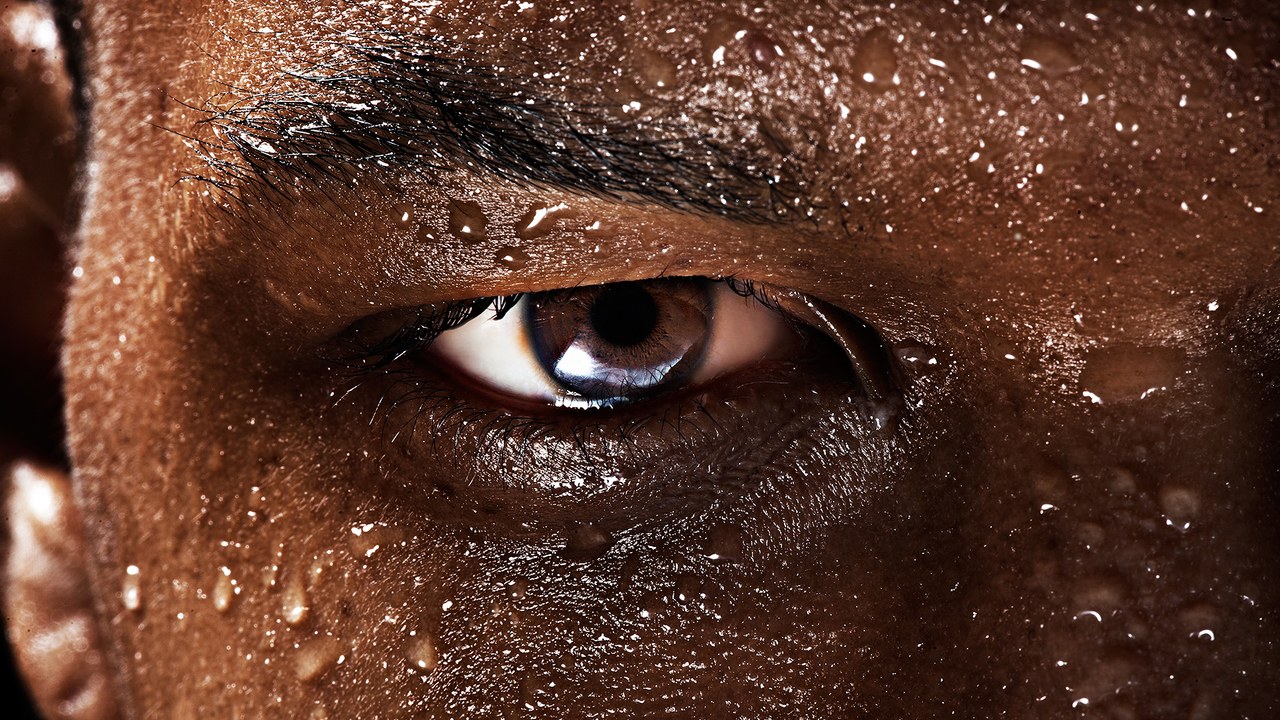
Do We Really Sweat Out Toxin Of Our Body?

If you have spent any amount of time on the Internet, you have probably read some weird stuff. Like, at some point, you have probably heard someone claim that there are toxins trapped in your body and that you need to do something to help release them. To accomplish this, some people favour juice cleanses. Others like to sweat in a sauna, hoping to push toxins out through their pores. But if either of those is your favourite method, we have some bad news. 

Juice cleanses don’t actually detox anything. And sweating, as it turns out, doesn’t contribute much to the cause either. But fortunately, we have built-in organs that can deal with toxic substances. Strictly speaking, toxins are poisons made by living things. But usually, people use the word as a vague catch-all for things that are bad for your body, regardless of where they come from.


Admittedly, the human body does have to deal with a lot of them. From medications and alcohol to the occasional pesticide, you have to process a lot. And no matter what you do, you can’t avoid this, because your body also makes plenty of its own waste.

Just look at the byproducts of metabolism, which your body makes all day, every day, to stay alive. They include ammonia and urea, which come from breaking down proteins; bilirubin, which comes from the two million or so red blood cells you recycle every second and carbon dioxide, which you exhale.


At normal concentrations, these things aren’t harmful, but if they build up, they can cause issues. So there is that bit of truth in the whole “your body has to get rid of toxins” thing. Still, your body doesn’t rely on sweat to take care of that.

When it comes to getting rid of toxic substances, the big guns are the liver and kidneys And they do a thorough job of it. Like, the liver is a detox powerhouse. It chemically modifies toxic metabolic waste products, like ammonia and helps convert them into things that are less toxic, like urea.


It also has powerful and versatile enzymes that turn drugs and other molecules into less harmful things. And for many other kinds of waste, like bilirubin from red blood cells, the liver dumps things into a fluid called bile that we poop out. Bilirubin is what makes poop brown, by the way.

Other waste from the liver goes into the bloodstream, and eventually, to the kidneys. And the kidneys are equally impressive. They are built-in blood filters. They keep most of the useful stuff your body takes in, like nutrients, and dump the rest into the urine.


The kidneys filter out metabolic waste like urea, broken-down molecules from the liver, small amounts of things like hormones and drugs and trace amounts of an array of toxic substances. They also maintain healthy levels of minerals, water and electrolytes in the blood. Because too much of anything can kill you. So really, the liver and kidneys have your body’s supposed “toxin” situation under control.

The idea that sweat is important for filtering things out might have come from the fact that sweat glands are actually pretty similar to kidneys when it comes to their microscopic structure and abilities. This means that sweat and pee do have a lot of the same things in them, though pee is significantly more concentrated.


Most of what’s dissolved in sweat are salts, minerals, and metabolic waste products, plus trace amounts of things like heavy metals, drugs, BPA, and pesticides. And when I say “trace amounts,” I mean the amounts of toxic substances in sweat are so small that the health benefits of getting rid of them are negligible.

So while sweat might get stinky sometimes, it’s not because it’s doing hero’s work. The main reason we sweat is to cool down and, for some reason, when we are nervous. There are some conditions that cause the skin to take over part of the kidney’s function, and where you will start to sweat out more of the stuff that normally comes out in pee. But those conditions include kidney failure and cholera. So if your skin is doing the kidney’s job, you probably have bigger problems to worry about.


Under more typical circumstances, sweating doesn’t rid the body of toxic substances any better than the liver and kidneys do on their own. And whether that person trying to sell you a sweat-based detox therapy realizes it or not, they are pushing fear to make money.

Saunas, hot yoga and some other things that make you sweat may have health benefits, but not because they expel extra toxins. If you have a healthy liver and kidneys, your body is doing just fine all by itself.


Whether these organs are healthy, though, is a different story, and unfortunately, your personal health isn’t something we can help you with around here! That’s the whole point of visiting your doctor for a check-up.

Fat Can Be Healthy

Maybe you have been pouring skim milk on your cereal and spritzing non-fat dressing on your salad for years.  But it turns out, eating fat won’t make you fat. 

In fact, research shows that low-fat diets don’t seem to aid in weight loss or in reducing the risk of disease compared to higher fat diets. And all those refined carbs you have been eating to replace that fat might be the real issue. 


To understand how fat can be healthy, it’s first helpful to understand what’s going on with carbs in your body. 

When you eat a simple carbohydrate, like a slice of bread, enzymes in your saliva immediately start breaking that food down into sugar. That surge of sugar triggers a hormone called insulin, which tells your body to store available energy in the bloodstream in fat tissue and other forms. And the later surge-crash makes you feel hungry, encouraging you to eat more.


But fats are another story. Fat isn’t processed the same way as carbs. It can’t be broken down with saliva, or fully digested by stomach acid.

Instead, your small intestines, with the aid of bile secreted by your liver, break it down. This happens much later in the digestive process, so fat digestion is much slower.


The different fats interact with your hormones in complex ways that, unlike carbs, don’t cause a massive spike in insulin.  And good fats are really important for your body to function properly.

Monounsaturated fats can be found in olive oil and avocados. This good fat helps reduce inflammation and levels of LDL or “bad” cholesterol in the blood. 


Polyunsaturated fats in foods like sunflower seeds, walnuts, and fish also have significant health benefits. Fish oil, for example, consists of one type of polyunsaturated fat called omega-3 fatty acids -- which have been found to decrease blood pressure, increase HDL or “good” cholesterol, and may also protect against heart disease. 

But saturated fats found in red meat and dairy are a different story. An extensive study found that replacing a small percentage of calories coming from saturated fats with calories from unsaturated fats reduced the risk of death, heart disease, and a number of neurodegenerative diseases.


At the same time, studies show full-fat dairy is healthier than reduced fat dairy. One recent study found that drinking full-fat dairy was associated with a lower risk of diabetes. 

So while unsaturated fats are better, saturated fats aren't entirely useless. Not only are unsaturated fats essential for your body, avoiding them in the name of weight loss isn’t actually a helpful way to shed unwanted pounds. 


A study by the Women’s Health Initiative assigned women to low-fat diets for eight years. They found the participants didn’t seem to gain protection against breast cancer, colorectal cancer, or cardiovascular disease. And their weights were generally the same as those of women following their usual diets.

And in the carb vs fat debate, an extensive 2017 study found no association between dietary fat and heart disease. In fact, the researchers found that high-carb diets were linked to a higher risk of death. 


So, if studies show that fat doesn’t make us fat or increase our risk of heart disease… and carbs make us hungry and are linked to a higher risk of death, should we all just ditch carbs altogether?
Probably not. 

Recent research seems to advocate a balanced diet that includes a combination of healthy fats and complex carbs.

Researchers found that diets high in fibre and low in refined grains, meat, and sugars resulted in less weight gain. 


So what should you eat? The good news is that you can find healthy fats and complex carbs in a variety of tasty foods. 

You can find unsaturated fats in fish, olives, nuts, and seeds, and still, have a place on your plate for so-called “good carbs.”

Although you should probably avoid eating lots of refined carbs like white bread and rice.

Foods like sweet potatoes, raw apples, and legumes are a different story., though. These foods don't cause the same sudden peaks in blood sugar. 


And like healthy fats, they contribute to a balanced diet to keep your body running. So go forth and toss some oil on that salad!


High-Resolution Genome-Wide Functional Dissection Of Transcriptional Regulatory Regions And Nucleotides In Human

Approximately 98 percent of the human genome is made up of noncoding DNA, including enhancers, promoters, and other elements that regulate gene activity. The methods for studying these regions tend to be expensive, labor-intensive, and largely low-throughput.

To really understand the functional geography of the noncoding genome, however, researchers need a way to isolate and characterize thousands to millions of regulatory DNA elements within it simultaneously, rapidly, and at high resolution. The need is great, as more than 90 percent of variants identified in genome-wide association studies of traits and disease are located in noncoding DNA.


By merging two powerful sequencing-based assays with a machine learning-based tool, a research team led by Xinchen Wang and associate members Melina Claussnitzer and Manolis Kellis in the Broad's Metabolism and Epigenomics programs, respectively, have engineered a powerful new approach for measuring individual noncoding DNA segments' ability to control gene expression, and doing so at both massive scale and high resolution called HiDRA (for High-resolution Dissection of Regulatory Activity), the approach brings together a number of widely used tools:

1.ATAC-seq (Assay for Transposase-Accessible Chromatin with high-throughput sequencing), a technique developed by Broad associate member Jason Buenrostro that looks across the entire genome for unwound, transcribable regions of DNA


2.STARR-seq (Self-Transcribing Active Regulatory Region Sequencing), an assay developed by Kellis lab alum Alexander Stark for measuring noncoding DNA segments' expression-promoting activity

3.SHARPR-RE, a machine learning algorithm based on the SHARPR tool Kellis's lab developed to analyze data from massively-parallel reporter assays.

By building on these approaches, HiDRA lets researchers create massive libraries of regulatory DNA and study their influence over gene expression at nucleotide-level resolution.


As they reported in Nature Communications, the team applied HiDRA to a blood cell line to test about seven million noncoding DNA fragments for ones that regulate gene expression, ultimately identifying 65,000. These included segments clearly marked as enhancers and promoters as well as segments lacking such marks, suggesting that the genome may harbor additional kinds of expression-controlling elements that we have yet to discover.

In addition, the team used HiDRA to examine how disease risk DNA variants in regulatory elements affect gene expression compared to variants that do not raise risk—a boon for researchers seeking to study how minute sequence variations in promoters and enhancers can impact human traits and disease states.


The team's findings suggest that HiDRA is a generalizable method for dissecting the nuances of gene regulation and the roles various functional elements play in human disease.


Cell‐free DNA As A Biomarker Of Aging

Researchers have discovered age- and health-related differences in fragments of DNA found floating in the bloodstream (not inside cells) called cell-free DNA (cfDNA). These differences could someday be used to determine biological age—whether a person's body functions as older or younger than their chronological age, the researchers say.

In a proof-of-concept study, researchers extracted cfDNA from blood samples from people in their 20s, people in their 70s, and healthy and unhealthy centenarians. The team led by Nicola Neretti, an assistant professor of molecular biology, cell biology and biochemistry at Brown University, detected differences in how the DNA was packaged in the four groups. The findings were published in the journal Aging Cell.


Specifically, they found nucleosomes—the basic unit of DNA packaging in which a segment of DNA is wrapped around a protein core—were well-spaced in the DNA of the volunteers in their 20s but were less regular in the older groups, especially the unhealthy centenarians, Neretti said. Additionally, the signal from nucleosome spacing for the healthy centenarians was more similar to the signal from the people in their 20s than people in their 70s.

Nucleosome packing is one aspect of the epigenome—the collection of heritable changes that affect gene expression or activity without affecting the DNA sequence, or genome.


"Among other traits, healthy centenarians preserve the epigenomic profile of younger individuals," Neretti said. "As with anything in ageing, many things work together, and it is not clear what the cause or the effect is. With our cfDNA test, we hope to gain an understanding of these epigenetic changes and what they mean."

Scientists first found cfDNA in the blood of cancer patients, and the fragments can be useful for diagnosing cancer. Earlier research has found that cfDNA is produced by dying cells, and as the cells die, the DNA is cut in between nucleosomes, Neretti said.


The team at Brown used next-generation sequencing of the cfDNA combined with complex computational analysis to reconstruct the pattern of nucleosome spacing in different regions of the genome—both areas that are typically open for expressing genes as well as areas that are normally tightly packed. The cfDNA extraction and sequencing processes were developed in collaboration with Ana Maria Caetano Faria from the Universidade Federal de Minas Gerais in Brazil.

"cfDNA is somewhat like a message in a bottle that captures what the cell looked like, epigenetically speaking before it died," Neretti said. "A lot of cellular machinery is involved in maintaining nucleosome spacing, and these components can go downhill as you age. The nucleosomes don't move apart or become denser themselves. The nucleosome spacing is just the read-out of the changes of that machinery."


However, he added, changes in nucleosome packing produce changes in the accessibility of different parts of the genome, which leads to even more things going awry, including the freeing of normally locked-down genetic elements called transposons.

The team did detect a reduction in cfDNA signals at the beginning of two common transposons with increasing age. This suggests that these transposons are less locked-down in the unhealthy centenarians and people in their 70s and thus more likely to be "copying and pasting" themselves into the genome, causing genetic mayhem.


The study only analyzed the cfDNA of 12 individuals from Bologna, Italy—three from each group. The samples were collected by collaborator Claudio Franceschi, from the University of Bologna. A larger study is needed to gain the information necessary to use these epigenetic markers to predict biological age, Neretti said. However, because the cfDNA test uses easy-to-collect blood instead of invasive tissue samples, he thinks it will be straightforward to expand the proof-of-concept study.

"Ideally, you would like to track a population of individuals over 20 or 30 years to see how each individual's epigenome changes, and the rate of change, as they age," he said. A large study could allow the association of epigenomic differences with health conditions, lifestyles or diets, he added.


Meanwhile, the research team is refining the test. They are working to optimize the process of extracting cfDNA from the blood. In mice, they can reliably get the amount of cfDNA they need from a quarter teaspoon of blood. Neretti thinks that they don't need to sequence the whole genome to detect the age- and health-related epigenetic changes. For this study, they did whole-genome sequencing, but he expects that sequencing 2% to 5% of the genome could be sufficient.

In addition to refining the nucleosome positioning analysis, the researchers would like to study another kind of epigenetic marker—DNA methylation patterns—in the cfDNA, Neretti said. This would provide additional information, including markers that can indicate what tissue the cfDNA came from. Determining the sources of cfDNA at different ages—or what tissues are experiencing a lot of cell death—could provide insights into the ageing process.


Better understanding the epigenetic changes of the ageing process could aid in developing treatments for age-associated disorders or someday be used to determine whether your body is ageing faster or slower than typical, Neretti added.


The Remote Colombian Town RICAURTE Is A Home Of Fragile X Syndrome Suffering People Not “Los bobos”

Fragile X Syndrome

In Colombia, this town, RICAURTE, has long been known as the home of Los bobos, "the foolish ones" Thanks to some misleading religious stuff. Some also say that a witch woman in the town prepared a love potion that sometimes went wrong, producing intellectual disability instead of undying devotion. But now doctors know that it is home to the world's largest known cluster of people with fragile X.

One researcher, medical geneticist Wilmar Saldarriaga-Gil of the University of Valle (Univalle) in Cali, Colombia, has made Ricaurte the focal point of his scientific inquiry. Saldarriaga-Gil, who vacationed nearby as a child, says he has visited about a hundred times since the mid-1990s to trace how fragile X affected the town and its inhabitants—and to try to understand details of the syndrome's biology. "This is a history of scientific research, a history of my community, a history of my life," he says.


Saldarriaga-Gil's obsession with this town began in 1980. As a boy, he spent summers at a family home in Huasano, 10 kilometres away. When he attended church here, he couldn't help noticing the lanky men and women with large, flat ears who spoke very little or not at all. "Everyone who knows Ricaurte had curiosity," Saldarriaga-Gil says. "Why is it happening here?"

Saldarriaga-Gil eventually set out to discover the truth as a medical student in the late 1990s. His adviser suggested the people here might have Down syndrome. But when Saldarriaga-Gil paged through a 1000-page medical textbook, he saw photographs of people who looked eerily similar to a boy he knew in Ricaurte—Patricia Triviño's nephew Ronald. The people in the textbook had fragile X syndrome.

To confirm that the resemblance was more than coincidence, in 1997 Saldarriaga-Gil took blood samples from 28 people in town who he suspected were affected. He analyzed each person's karyotype the number and appearance of their chromosomes by inspecting their blood cells under a microscope.


In most people, FMR1 contains anywhere from six to 54 repeats of a specific set of three DNA "letters," or bases: CGG. In people with fragile X syndrome, however, the gene has more than 200 repeats. The extra DNA disrupts the X chromosome; under the microscope, tiny islands appear to break away from the chromosome, making it look fragile. Of the 28 people whose karyotypes Saldarriaga-Gil analyzed, 19 showed those telltale islands.

The payoff from research in this town could have global impacts. Caused by mutations in a gene called FMR1 on the X chromosome, fragile X syndrome is the leading cause of inherited intellectual disability worldwide; it affects as many as one in 2000 men and one in 4000 women. And as a single-gene cause of autism, a recalcitrant complex condition, fragile X has been the focus of efforts to develop drugs for autism. The proteins disrupted in people with the syndrome are also key players in brain development.

In March 2018, Saldarriaga-Gil and his colleagues reported that at least 5% of residents here carry either the full-blown fragile X mutation or less severe "permutations" that can trigger the condition in future generations. Premutation carriers usually escape cognitive problems, but some develop physical symptoms, including tremors and fertility problems. The research here might explain such variability, which could reflect how the protein FMR1 encodes, FMRP, interacts with other proteins and pathways.


In 2012, Saldarriaga-Gil decided to try to identify those carriers by building a pedigree chart to trace the condition's inheritance through Ricaurte's families. Premutation carriers often have affected children or grandchildren because in fragile X—as in other "triplet repeat" conditions such as Huntington disease—the number of repeats typically increases with successive generations. Working backwards from affected individuals, Saldarriaga-Gil tried to guess at who had passed the mutation on. That approach took him only so far, however, because he had no definitive test for premutations

The next year, his karyotype research caught the attention of experts in fragile X, including Randi Hagerman, medical director of the Medical Investigation of Neurodevelopmental Disorders Institute at the University of California, Davis. She and her colleagues offered to help spot the premutation carriers by using a polymerase chain reaction (PCR) test—which Saldarriaga-Gil wasn't equipped to do in his own lab. PCR would make it possible to amplify and sequence the residents' DNA.


Saldarriaga-Gil checks in on residents with fragile X every 2 months or so, offering routine checkups and monitoring them for complications. Over multiple visits between 2015 and 2016, he and his students also collected blood samples from 926 people, about 80% of the population. Genetic analysis of the samples led to his recent finding that about 5% of Ricaurte's residents have either the full mutation or a premutation. He supplemented the genetic work by recording oral histories and digging up centuries-old land, marriage, and birth records with help from a local historian. Ultimately, Saldarriaga-Gil reconstructed much of the town's history of the syndrome.

One name is circled, with sunlike rays extending out in every direction: Manuel Triviño, who may be Mercedes's great-grandfather. Saldarriaga-Gil says he suspects Manuel was one of the town's original settlers in the early 1880s and carried the premutation to Ricaurte. Everyone here with fragile X could be his direct descendant (although how the mutation spread to the Gorillas is still unclear). To confirm that "founder effect," Saldarriaga-Gil's team is conducting a haplotype analysis: The scientists are looking for other genetic variants shared by people with the condition, which would imply that they all share a common forebear.


Among women, "mosaicism", in which a person's cells aren't all genetically identical, explains part of it. Because women have two X chromosomes, each cell turns off one of them at random. If most of a woman's cells turn off the mutated copy, she might show few outward signs of the mutation; if the normal copy is shut down more often, she might be more severely affected. Mosaicism emerges differently in men, who have a single X chromosome: Some of their cells may have the full FMR1 mutation—200-plus CGG repeats—whereas others end up with the shorter premutation or with a complete deletion of FMR1.

The array of symptoms resulting from a mutation might also depend on how FMRP interacts with other proteins. FMRP is missing in people with the full mutation, which silences FMR1. Because FMRP controls the activity of nearly 1000 other proteins, many of which are crucial to the interactions between neurons, its loss can have far-reaching effects—particularly during brain development. But in people with the premutation, the impact of the reduced protein might be more or less severe depending on other genetic variations.

The ultimate goal for fragile X researchers is to develop treatments. Because of its connection to intellectual disability and autism, fragile X has been the focus of an extensive and so far, unsuccessful drug development program. Several candidates that showed promise in early clinical trials fizzled out in larger trials. Researchers are seeking new proteins or pathways to target and some of those may emerge from the work done here. No one here is waiting for radical new treatments. Even if the residents can help researchers develop drugs, they know they are likely to be among the last to receive them.


Given the harsh realities of life here with fragile X, some residents have made difficult decisions about the future of their families. Rosario Quintero's daughter, Sara, has the full mutation but shows no signs of the syndrome. Before Sara learned that she carried the mutation, she had a son, who also seems unaffected. But afterwards, she had her fallopian tubes cut so that she cannot have any more children. Another carrier, who chose to remain anonymous, also decided not to have children.

Over the past decade here, only three children with fragile X have been born, and many with the condition are older than 50. Trapped in this valley by economic hardship and unyielding geography, the population with fragile X could slowly die out, Saldarriaga-Gil says. He is racing to understand the syndrome's secrets before that happens.

Also Read:- Syphilis | Signs and Symptoms Of Syphilis | Treatment


SEARCH

Recent Posts

EVEN STAR SYSTEMS HAVE IDENTITY CRISES

A double star system has been flipping between two alter egos, according to observations with Chandra X-ray Observatory and The Karl ...

Labels

Total Pageviews